
Blog / Service

Why Is My Steering Wheel Shaking?

Why Is My Steering Wheel Shaking?

Why Is My Steering Wheel Shaking? What Ford Drivers Need to Know 


If you've ever felt a vibration humming through your hands while driving, you know how unsettling a shaking steering wheel can be. It might start as a subtle wobble at highway speeds or a noticeable shudder when you apply the brakes. Either way, your vehicle is telling you something isn't quite right - and you need to pay attention and get it looked at right away. 


We’ve put together a guide for drivers in Belleville, MI, listing some of the reasons your steering wheel might be shaking and what to do about it. 


What Does a Shaking Steering Wheel Actually Feel Like? 

Steering wheel shaking doesn't always feel the same. Some people describe a steady vibration that starts around 55 to 65 mph and smooths out at higher speeds. Others notice it only when braking, or feel a rhythmic pulsing that gets worse the faster they go. 


In some cases, the shake is mild enough to feel like road feedback. In others, it's strong enough to affect your grip and your confidence behind the wheel. No matter how it presents, steering wheel shaking is a symptom - not something to ignore. 


Common Problems That Cause Steering Wheel Shaking 

Several issues can make your steering wheel shake, and some are more serious than others. 


Unbalanced or worn tires are one of the most common culprits. When a tire loses a balancing weight or wears unevenly, the resulting imbalance sends vibrations through the suspension and into the steering wheel. This type of shaking usually appears at specific speed ranges and fades at others. 


Wheel and brake damage can also cause shaking. Warped brake rotors are a frequent cause of shaking that occurs specifically when you press the brake pedal. If you feel the vibration most while stopping, your rotors may have developed uneven surfaces from heat and use over time. 


Loose or worn steering and suspension components - including tie rods, ball joints, and control arm bushings - can also produce steering wheel shaking. These parts help keep your wheels aligned and tracking properly, so when they wear out, you'll feel it directly through the wheel. 


Finally, wheel alignment issues can cause a pull or vibration that worsens over time. Poor alignment puts uneven stress on your tires and can accelerate tire, wheel, and brake damage if left unaddressed. 


Why You Shouldn't Wait to Get It Checked 

A shaking steering wheel will not fix itself. In fact, ignoring it often leads to bigger problems and more expensive repairs down the road. What starts as a minor tire imbalance can lead to premature tire wear. A small alignment issue can turn into significant tire, wheel, and brake damage over time. 


More importantly, some causes of steering wheel shaking - like worn suspension components - can affect your ability to control the vehicle in an emergency. That's not a risk worth taking. 


Bring Your Ford to Atchinson Ford for Expert Service 

If your steering wheel is shaking, the team at Atchinson Ford is ready to help. Serving drivers in Belleville, MI, the service department uses genuine Ford parts and trained technicians to diagnose and address the root cause - no matter if it's a tire balance, rotor replacement, or a deeper suspension issue. 


Don't wait for a small shimmy to become a bigger problem. Schedule your service appointment online and get back to a smooth drive. 

Posted in:

Related Posts

The Alternator: Your Car's Small but Tireless Power Station

What Is an Alternator and When Should You Replace It?

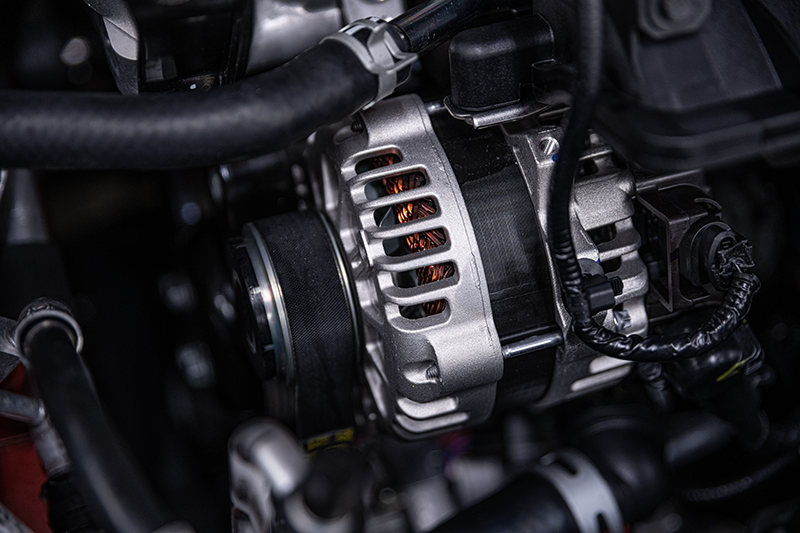
The Alternator: Your Car's Small but Tireless Power Station The alternator is an electrical generator driven by the engine, a compact little power station spending its working life converting mechanical energy into electricity while receiving almost no recognition for the effort. Once the engine is running, it supplies electrical power and replenishes the 12-volt battery so there's enough energy available for the next start. Lose the alternator and the vehicle doesn't immediately become a lawn ornament. Instead, it begins consuming the battery's remaining charge until the electrical reserves are exhausted. Then the trip reaches its rather definitive conclusion. The Battery Starts the Conversation; the Alternator Keeps It Going The 12-volt battery supplies the electrical energy needed for starting, while the alternator takes over much of the electrical workload once the engine is running. Headlamps, interior lighting, climate-control equipment, infotainment, charging ports, and other electrical systems all require power, while the battery itself needs to be recharged. This relationship explains why battery and alternator problems can impersonate one another. A dead battery doesn't automatically prove the battery is defective. If the charging system isn't replenishing it, even a healthy battery eventually becomes a very expensive box containing insufficient electricity. Alternators Don't Have a Convenient Replacement Calendar Unlike engine oil or certain other maintenance items, an alternator generally isn't replaced at a predetermined service interval. It remains in service until testing or symptoms indicate a problem. Routine Ford maintenance in Belleville can provide opportunities to inspect the charging system, electrical connections, and components associated with alternator operation. The serpentine belt deserves attention as well because, on applicable engines, it transfers engine rotation to the alternator. A slipping, damaged, or broken belt can interrupt that process even when the alternator itself is perfectly healthy. Proper charging-system diagnostics therefore look beyond the generator before condemning it. Electrical Problems Have a Peculiar Way of Spreading A charging-system warning light is an obvious clue, although the symbol doesn't necessarily mean the battery itself has failed. Drivers may also notice dimming or flickering lights, unusual noises, starting difficulties, or electrical accessories behaving strangely. A battery that repeatedly loses its charge can also indicate that the charging system deserves inspection. None of these symptoms independently proves alternator failure, which is why replacing parts based on dashboard hieroglyphics and educated guessing is an unnecessarily expensive diagnostic technique. Electrical-system testing can determine what is failing before anything gets replaced. Mileage Alone Doesn't Condemn an Alternator The source suggests an alternator lifespan of roughly 80,000 to 150,000 miles, but treating that range as a replacement schedule would be misleading. Alternator life varies with vehicle design, component condition, operating environment, and electrical demands. Some fail earlier; others continue working considerably longer. What counts is charging performance and component condition. If testing confirms the alternator can no longer maintain proper electrical output or has suffered internal failure, replacement may be necessary. The useful question isn't how many miles the alternator has travelled. It's if the alternator is still doing its job. Don't Ignore the Supporting Hardware Because the alternator operates as part of a larger system, diagnosis may include the battery, serpentine belt, electrical connections, and other charging-system components. An oil change or Multi-Point Inspection can provide a useful opportunity to identify visible belt deterioration or other maintenance concerns, while dedicated battery and charging-system testing can investigate starting or electrical symptoms. Catching a developing problem in the service bay is preferable to discovering precisely how long a vehicle can operate on battery power alone. Find the Electrical Problem Before Replacing the Part Atchinson Ford can help Belleville, MI, drivers with alternator testing, battery service, charging-system diagnostics, serpentine belt inspections, Multi-Point Inspections, and other Ford maintenance and repair needs. If you've noticed a charging warning light, repeated battery problems, dimming lights, unusual electrical behavior, or starting difficulties, have the system tested rather than assuming which component has failed. Review available service specials and schedule a service appointment online with us here at the dealership today.

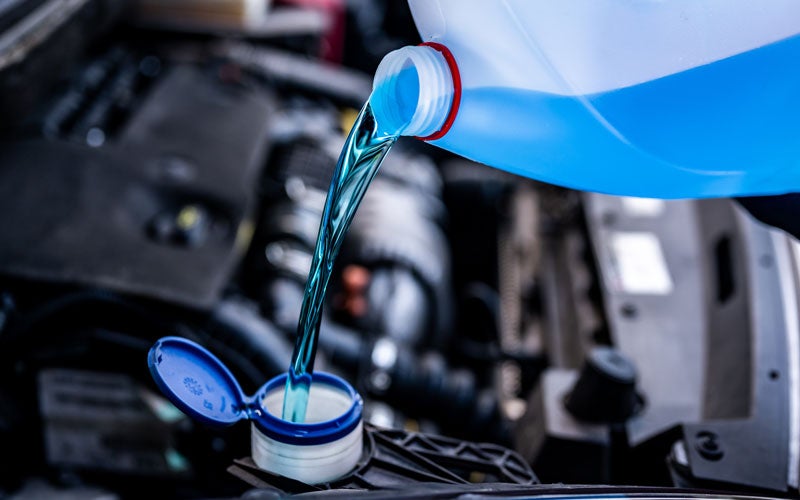
Antifreeze fill up - Ford Winter Maintenance Tips for Your Vehicle

Why Winter Maintenance Is Important for Your Ford

Winter weather puts real stress on your vehicle. Cold temperatures affect everything from your battery to your tires, and skipping winter maintenance can leave you stranded at the worst possible time. For drivers in Belleville, M ich, where temperatures drop well below freezing, keeping up with seasonal service is not just a good idea - it is essential for your safety and your vehicle's long-term health. Your Ford is built to handle tough conditions, but it still needs proper care going into the colder months. A little preparation now can prevent much bigger and more expensive problems later. Common Types of Ford Winter Maintenance There are several key areas to focus on when preparing your Ford for winter. Starting with your battery is a smart move, since cold temperatures significantly reduce battery performance. If your battery is more than a few years old, having it tested before winter is smart. Checking your antifreeze levels is another critical part of winter maintenance. Antifreeze, also called coolant, keeps your engine from freezing in extreme cold and overheating in warmer conditions. Making sure you have the right antifreeze mixture - typically a 50/50 blend of coolant and water - helps protect your engine year-round. Other common winter maintenance tasks include inspecting your tires for proper tread depth and inflation, checking your brakes, replacing worn wiper blades, and topping off your windshield washer fluid with a winter-rated formula. Your heating and defrost systems should also be tested to make sure they are working properly. What Happens If You Skip Winter Maintenance Neglecting winter maintenance can lead to a range of costly and inconvenient problems. A weak battery may fail to start your vehicle on a frigid morning. Low or degraded antifreeze can allow coolant to freeze inside your engine, which may cause serious internal damage that's expensive to repair. Worn tires with low tread depth offer reduced traction on icy or snowy roads, increasing your risk of sliding or losing control. Skipping brake inspections can leave you with reduced stopping power exactly when you need it most. Even something as simple as old wiper blades can compromise your visibility during a winter storm. Stay Ahead of the Cold This Season Winter maintenance is one of the best ways to protect your Ford and your peace of mind. From antifreeze checks to battery inspections, taking care of these services before the cold season peaks keeps your vehicle dependable when conditions are at their most challenging. If you are ready to schedule your seasonal service book an appointment and keep your Ford running its best all winter long.

Car Battery FAQ: What It Is, How It Works, and When to Replace It 

Car Battery FAQ: What It Is, How It Works, and When to Replace It

If you turn the ignition key and hear silence, your car battery is likely not functioning. Atchinson Ford in Belleville, MI, provides this FAQ to explain how your battery works. This guide will help you know when it is time for a new one. If you are dealing with a slow start or want to avoid problems, understanding your battery can save time. What Is a Car Battery? A car battery is a rechargeable power source. It stores energy and gives it to your vehicle when needed. Most cars use a 12-volt lead-acid battery. It is typically kept in a rectangular plastic case. It connects to the electrical system through 2 terminals, which are positive and negative. It works with the alternator and starter to keep the car running. Without a good battery, your car will not start. It is one of those parts that is easy to forget until it stops working. What Does a Car Battery Do? The battery provides the power needed to start the engine. When you press the start button, the battery sends electricity to the starter motor. This cranks the engine. The battery also powers electrical parts when the engine is off. This includes interior lights and the clock. Once the engine runs, the alternator takes over. It recharges the battery and powers electronics like the touchscreen and charging ports. How Does a Car Battery Work? Inside the battery are lead plates in a sulfuric acid solution called electrolyte. When the battery discharges, a chemical reaction makes a current. When the alternator sends power back, that reaction reverses. This recharges the battery for the next use. Extreme heat or cold can wear down these parts. Cold weather in Belleville, MI, can slow the reaction and reduce power. Heat can cause fluid to evaporate. Corrosion can also form around the terminals. This is a buildup caused by gases. It can lead to starting problems. How Do You Know If Your Battery Needs Service? Car batteries usually last 3 to 5 years. Driving habits and climate can change this. A slow engine crank is the 1st warning. If the engine takes a long time to turn over, the battery is likely weak. Dim lights can also mean the battery is struggling. A check engine light or a battery warning light on the dashboard are signs of low voltage. Frequent jump starts are a major red flag, a healthy battery should not need them. If your battery is more than 3 years old, you should have it tested regularly. Staying informed about your battery helps keep your vehicle reliable. If your battery shows signs of failure, the service team at Atchinson Ford in Belleville, MI, can help. We can test your battery and install a new one if needed.