What is a Ford Transmission?
The transmission in your Ford vehicle is a critical component that transfers power from the engine to the wheels, enabling your vehicle to move. It adjusts the torque and speed of the engine to ensure smooth and efficient driving. The transmission allows your Ford to shift gears, either automatically or manually, ensuring optimal performance at various speeds and driving conditions. There are two primary types of transmissions found in most vehicles:
- Manual Transmission: Requires the driver to manually shift gears using the clutch and gear stick.
- Automatic Transmission: Automatically changes gears without the driver’s intervention, making it more convenient, especially for city driving.
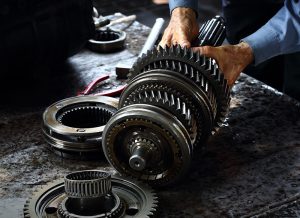
Both types of transmissions rely on a similar principle but differ in how the gears are engaged. The transmission’s main function is to ensure that the engine’s power is used efficiently while maintaining proper engine speed and fuel efficiency.
How Does the Ford Transmission Work?
The transmission works by controlling the flow of power from the engine to the wheels. Here’s how it operates:
- Power Transfer: The engine produces power through combustion. This power is transferred to the transmission via the flywheel and clutch (in manual transmissions) or torque converter (in automatic transmissions).
- Gear Shifting: The transmission uses a series of gears to adjust the torque and speed depending on the vehicle’s needs. In a manual transmission, the driver engages the gears via the clutch. In an automatic transmission, the system does this automatically based on vehicle speed and engine load.
- Torque and Speed Control: The transmission ensures that the engine operates within an optimal RPM range. When accelerating, the transmission will shift to a lower gear to provide more torque. Conversely, when cruising at higher speeds, the transmission will shift to higher gears, ensuring smooth operation and fuel efficiency.
Why is the Transmission Important?
The transmission is crucial for the overall performance of your Ford. It plays a key role in ensuring the vehicle moves smoothly and efficiently. Here’s why it’s so important:
- Engine Efficiency: By regulating the engine’s speed and torque, the transmission helps ensure the engine operates at its best, improving fuel efficiency and reducing wear.
- Driving Comfort: A well-functioning transmission provides smooth gear shifts, enhancing driving comfort. It ensures your Ford accelerates and decelerates smoothly, whether you’re driving in the city or on the highway.
- Vehicle Performance: The transmission helps optimize the performance of your Ford, allowing it to operate at different speeds without overworking the engine.
Without a properly functioning transmission, your vehicle would struggle to move and would experience significant performance issues, such as poor acceleration, rough shifting, or even complete transmission failure.
What Can Go Wrong with the Transmission?
The transmission is built to last, but it can experience issues over time, particularly if it’s not maintained properly. Some common problems include:
- Low Transmission Fluid: Insufficient fluid can lead to overheating and friction, causing the transmission to fail. Low fluid levels are one of the most common causes of transmission issues.
- Transmission Slipping: This occurs when the transmission unexpectedly changes gears or has difficulty staying in gear. It can result in a loss of acceleration or poor shifting performance.
- Overheating: Transmission overheating is another common issue, especially in vehicles that are frequently driven in stop-and-go traffic. Overheating can cause the transmission fluid to break down and lose its effectiveness.
- Delayed Shifting: When the transmission hesitates before shifting into gear or shifts roughly, it can indicate a problem with the system’s components or fluid.
- Grinding or Unusual Noises: If you hear strange noises, such as grinding or whining, when shifting gears, it could indicate an issue with the transmission components.
Promptly addressing these issues can prevent more severe transmission damage and costly repairs.
Symptoms of a Failing Ford Transmission
When the transmission starts to fail, you might notice several signs. These symptoms can indicate that your Ford needs immediate attention to avoid more serious damage:
- Unusual Noises: If you hear grinding, whining, or clunking noises when shifting gears, it may be a sign that the transmission is damaged or the fluid level is low.
- Slipping Gears: If the transmission slips out of gear or has difficulty staying in gear, it could be a sign of internal damage or a problem with the transmission fluid.
- Warning Lights: A blinking or illuminated transmission warning light on your dashboard is a clear indication that there’s an issue with the transmission system.
- Delayed or Rough Shifting: If the transmission hesitates before shifting gears or shifts roughly, it could be due to low fluid levels, a faulty sensor, or other internal issues.
- Loss of Acceleration: If you press the gas pedal but notice little to no acceleration, the transmission might not be properly engaging, which could be a sign of a major malfunction.
If you notice any of these symptoms, it’s crucial to have your transmission inspected by a professional to avoid further damage.
What Maintenance is Needed for a Ford Transmission?
Regular transmission maintenance is essential to keeping your Ford running smoothly. Here are some key tasks to ensure your transmission remains in top condition:
- Check and Change Transmission Fluid: Transmission fluid lubricates the components inside the system. It’s essential to check the fluid levels regularly and change the fluid according to your Ford’s manufacturer recommendations.
- Replace the Transmission Filter: The transmission filter prevents debris from entering the system and causing damage. Replacing the filter during routine maintenance can extend the life of your transmission.
- Inspect Transmission Hoses and Seals: Leaks in the hoses or seals can lead to low fluid levels, which can cause the transmission to overheat. Regular inspection of these components can prevent leaks and maintain the proper fluid levels.
- Flush the Transmission: Over time, transmission fluid can become contaminated with dirt and metal particles. A transmission flush removes old fluid and replaces it with fresh fluid, helping maintain optimal performance.
Having your transmission serviced regularly ensures it operates smoothly, reduces the risk of failure, and extends the life of your vehicle.
At Atchinson Ford in Belleville, MI, we understand the importance of maintaining your transmission for the best performance and longevity of your vehicle. If you notice any issues with your Ford’s transmission, schedule an appointment with us today to have it inspected and serviced by our certified technicians.
Tags: automatic transmission, Belleville automotive repair, Belleville MI auto repair, Belleville MI transmission repair, car transmission, car transmission performance, Ford service Belleville, Ford transmission, Ford transmission care, Ford transmission experts, Ford transmission repair, Ford vehicle maintenance, Ford vehicle performance, manual transmission, transmission diagnostics, transmission filter replacement, transmission fluid, transmission fluid change, transmission flush, transmission inspection, transmission inspection guide, transmission issues, transmission maintenance, transmission overheating, transmission problems, transmission problems Ford, transmission service, transmission slipping, transmission symptoms, transmission troubleshooting, transmission warning signs, vehicle transmission care
Posted in
Atchinson Ford Service, Belleville Ford Service, Ford Service Center, Ford Services, Service, Transmission |
No Comments »