Suspension is one of those systems you do not think about until the ride gets rough, the steering feels off, or the car starts doing something it should not. Then suddenly, it matters a lot.
Out on Belleville, MI roads, with their mix of smooth stretches and the occasional reminder that winter happened, your suspension is working constantly. It takes the hits so you do not have to, and it keeps the tires planted where they belong.
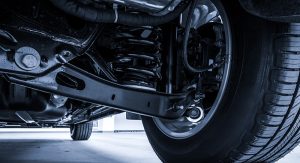
What Are Suspension Systems?
At its core, the suspension system keeps your tires in contact with the road while managing how the vehicle handles bumps, dips, and corners. It is what separates a controlled drive from one that feels loose and unsettled.
It also works alongside steering and braking systems. If the suspension is not doing its job, everything else must compensate. That usually shows up as reduced control, longer stopping distances, or a ride that feels more like work than it should.
Key Components of Suspension Systems
There is no single part doing all the work here. It is a team effort, and each piece has a specific role.
- Springs: These carry the vehicle’s weight and absorb the initial impact from the road. Think of them as the first line of defense.
- Shocks (Shock Absorbers): These calm everything down. Without them, the car would keep bouncing long after every bump.
- Struts: A structural component that combines shock absorption with support. They help hold the whole system together.
- Control Arms: These connect the wheels to the frame and guide their movement.
- Ball Joints: Pivot points that allow smooth steering and suspension travel.
- Stabilizer Bar (Sway Bar): Keeps the vehicle more level during turns by distributing weight across the suspension.
Suspension Systems Maintenance
Suspension maintenance is less about constant service and more about paying attention.
Check for leaking shocks. Watch how the vehicle reacts to bumps. Notice how the tires are wearing. These are early clues that something is changing.
Keeping components properly lubricated helps reduce wear. Regular inspections during routine service visits can catch issues before they turn into larger repairs.
A vehicle with a healthy suspension feels settled. When that changes, it is worth looking into.
How Often Should You Service Your Suspension?
There is no single schedule that fits every vehicle, but there are good guidelines.
An inspection during routine service or around every 12,000 miles is a smart move. Shocks and struts often last between 50,000 and 100,000 miles, depending on driving conditions.
If the roads you drive are rough or you notice changes in how the vehicle handles, it makes sense to check things sooner rather than later.
Signs You Need Suspension Service
Suspension problems tend to show themselves in ways that are hard to ignore once you know what to look for.
- Excessive Bouncing: The vehicle keeps moving after a bump instead of settling quickly.
- Uneven Tire Wear: A sign that the tires are not maintaining consistent contact with the road.
- Noisy Ride: Clunks or squeaks that were not there before.
- Dipping When Braking: The front end drops more than it should under braking.
A well-maintained suspension does not draw attention to itself. It simply makes every drive feel stable, predictable, and comfortable.
Here, suspension inspections focus on how the vehicle actually behaves, not just what it looks like on paper. Catching wear early, replacing components when needed, and keeping everything working together helps ensure your vehicle stays controlled and confident on the road.
Tags: ball joints, Belleville MI, car maintenance, car ride quality, control arms, driving comfort, ride quality, shock absorbers, shocks and struts, steering issues, struts, suspension components, suspension inspection, suspension maintenance, suspension problems, suspension repair, suspension service, suspension system, suspension troubleshooting, sway bar, tire wear, uneven tire wear, vehicle comfort, vehicle handling, vehicle performance, vehicle stability, vehicle suspension
Posted in
Atchinson Ford Service, Ford Services, Service, Suspension |
No Comments »