Maintaining your vehicle’s tires is crucial to ensure both your safety and the optimal performance of your Ford vehicle. Tires are the only point of contact between your vehicle and the road, which makes tire care a priority for every driver. Regular maintenance can prolong the lifespan of your tires, improve fuel efficiency, and reduce the likelihood of tire failure. In this guide, we’ll walk you through essential tire care tips to help keep your Ford running smoothly.
Why Tire Care Is Important
Proper tire maintenance is key to the overall performance and safety of your vehicle. Regularly checking and maintaining your tires can prevent costly repairs down the road and can even extend the life of your tires. In addition to improving handling and performance, well-maintained tires help optimize your fuel economy and reduce your vehicle’s environmental impact. In short, tire care is one of the simplest yet most effective ways to keep your Ford in top condition.
1. Check Tire Pressure Regularly
Maintaining proper tire pressure is one of the most important aspects of tire care. Underinflated or overinflated tires can cause uneven wear, reduce fuel efficiency, and even lead to tire blowouts.
-
How to Check Tire Pressure: Use a reliable tire pressure gauge to check the pressure when the tires are cold, as heat can cause pressure readings to fluctuate. You can also check the recommended tire pressure for your Ford vehicle in the owner’s manual or on the sticker located inside the driver’s side door frame.
-
What to Look for: Ensure that all four tires are inflated to the recommended pressure. If the pressure is too high or too low, adjust accordingly to prevent unnecessary wear and improve handling.
2. Inspect Tire Tread Depth
The tread depth of your tires plays a vital role in your ability to safely drive, particularly in wet or slippery conditions. Shallow tread can reduce traction and increase the likelihood of hydroplaning during heavy rain.
-
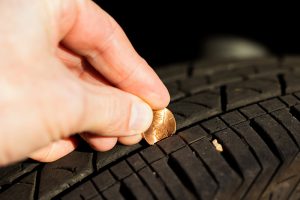
How to Check Tread Depth: Use a tread depth gauge or the penny test. To perform the penny test, insert a penny into the tread with Lincoln’s head upside down. If you can see the top of his head, it’s time to replace the tires as they are worn below the minimum depth.
-
What to Look for: The minimum legal tread depth is typically 2/32 of an inch. However, for better safety, it’s recommended to replace tires when they reach 4/32 of an inch, especially if you often drive in rainy or snowy conditions.
3. Rotate Your Tires Regularly
Tire rotation is essential to ensure that all tires wear evenly. Front tires and rear tires wear at different rates depending on the weight distribution and how the vehicle is driven. Rotating your tires regularly helps avoid premature wear and ensures better overall performance.
-
When to Rotate Your Tires: A good rule of thumb is to rotate your tires every 6,000 to 8,000 miles. However, if you notice uneven tire wear before that, it’s a good idea to rotate them sooner.
-
Why It Matters: Regular tire rotation can extend the life of your tires, help maintain uniform handling, and improve traction.
4. Balance and Align Your Tires
Tire balancing and alignment are vital for keeping your Ford’s handling smooth and ensuring that your tires wear evenly. Poor alignment can cause your tires to wear more quickly, while imbalanced tires can lead to vibrations, reduced steering control, and uneven tread wear.
-
Signs of Misalignment: If your steering wheel pulls to one side or your vehicle drifts to the left or right without input, your tires might be misaligned.
-
When to Check Alignment: If you hit a pothole or curb or notice uneven tire wear, it’s a good idea to have your alignment checked. Typically, alignment should be checked once a year.
5. Inspect for Tire Damage
Regularly inspect your tires for visible damage such as cuts, punctures, or bulges. Even minor tire damage can compromise its structural integrity and lead to blowouts. If you notice any damage, it’s important to address it immediately.
-
What to Look for: Check for objects embedded in the tire like nails, screws, or debris. Look for bulges or blisters, which could indicate a potential weak spot in the tire.
-
What to Do: If you notice any serious damage, visit a Ford-certified service center immediately to assess whether the tire can be repaired or needs to be replaced.
6. Maintain Tire Cleanliness
Keeping your tires clean not only improves their appearance but also helps in identifying potential issues. Dirt, brake dust, and road grime can wear down tire materials over time, so it’s important to clean your tires regularly.
-
How to Clean Your Tires: Use mild soap and water to clean your tires, avoiding harsh chemicals that could damage the rubber. Make sure to scrub the tires to remove dirt and brake dust.
-
Why It Matters: Cleaning your tires helps ensure that you can spot any early signs of damage or wear. It also helps maintain the rubber’s elasticity and ensures proper tire performance.
Seasonal Tire Care: Prepare for All Conditions
In Belleville, MI, where seasons change dramatically, preparing your tires for different weather conditions is crucial. Seasonal tire care involves switching between summer and winter tires as needed, depending on the temperature and weather conditions.
1. Winter Tires
If you live in an area that experiences snow and ice, such as Michigan, investing in a set of winter tires can improve traction and safety during colder months. Winter tires are designed to handle the unique challenges of winter driving, including icy roads and snow.
-
When to Switch: It’s recommended to switch to winter tires once the temperature consistently drops below 45°F.
-
Why Winter Tires Matter: Winter tires are made of a special rubber compound that remains flexible in cold temperatures, providing better grip and traction compared to all-season tires.
2. Summer Tires
In warmer months, summer tires are a great choice for those looking for superior handling and performance on dry roads. They are designed to provide better traction in warmer conditions, offering better cornering and responsiveness.
-
When to Switch: Summer tires are best used when temperatures consistently stay above 45°F. These tires should be replaced with winter tires as temperatures drop.
-
Why Summer Tires Matter: Summer tires provide excellent performance and handling but do not perform well in cold or wet conditions. They provide better traction than all-season tires in dry conditions, making them ideal for summer driving.
The Importance of Professional Tire Care
While regular at-home tire maintenance is important, sometimes it’s necessary to visit a professional for more in-depth services. Tire experts can perform a variety of tests, including alignment checks, balancing, and inspections, to ensure your tires are functioning at their best.
At Atchinson Ford, we offer comprehensive tire services to ensure your Ford vehicle is in top condition year-round. Our certified technicians can rotate, balance, inspect, and replace your tires as needed, ensuring that your Ford stays safe, efficient, and ready for any driving conditions.
Tire care is essential to the longevity and safety of your vehicle. By regularly checking tire pressure, inspecting tread depth, rotating tires, and addressing damage, you can ensure that your Ford runs smoothly for years to come. Seasonal tire changes, proper alignment, and professional maintenance also play a vital role in maintaining tire health.
To keep your vehicle in optimal condition, trust Atchinson Ford in Belleville, MI for all your tire care needs. Our expert technicians are here to help you keep your tires in excellent shape, ensuring your Ford provides reliable performance every time you hit the road. Make an appointment today.
Tags: Atchinson Ford, Ford Belleville MI, Ford Service Center, Ford tire care, Ford tire service, Ford vehicle tires, seasonal tire care, summer tires, tire alignment, tire balancing, tire care, tire cleaning, tire inspection, tire maintenance, tire pressure, tire repair, tire replacement, tire rotation, tire safety, tire tread, winter tires
Posted in
Atchinson Ford Service, Belleville Ford Service, Ford Service Center, Ford Services, Ford Tire Services, Service, Winter Maintenance |
No Comments »