What is the Cooling System and Radiator in Your Ford?
The cooling system in your Ford vehicle plays a vital role in maintaining the optimal temperature of your engine. It ensures that the engine operates efficiently and prevents it from overheating, which can lead to serious engine damage. The radiator is a crucial component in this system. It helps dissipate heat that the engine generates through a combination of coolant, airflow, and heat exchange. A malfunctioning radiator can have significant consequences, so understanding how it works and the role it plays in cooling is essential for any Ford owner.
The radiator is designed to transfer excess heat from the engine coolant to the air outside the vehicle. The coolant absorbs heat from the engine and circulates it through the radiator, where it releases the heat and returns cooler to the engine. This process ensures the engine operates within its safe temperature range.
How Does the Radiator Work in the Cooling System?
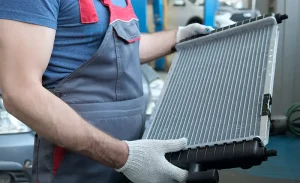
The radiator is located at the front of your Ford’s engine compartment and consists of several metal fins and tubes that increase its surface area for heat dissipation. Coolant flows from the engine into the radiator, where it passes through the tubes and is exposed to the air flowing through the radiator. This helps cool down the fluid before it circulates back into the engine.
Here’s how the cooling process works in your Ford’s radiator system:
- Coolant Circulation: The water pump circulates coolant through the engine, where it absorbs heat from the engine block and components.
- Heat Transfer in the Radiator: The heated coolant flows into the radiator, where it is cooled by airflow. The radiator’s metal fins help to dissipate the heat into the surrounding air.
- Thermostat Control: The thermostat regulates the flow of coolant to ensure the engine maintains the optimal temperature range. If the engine becomes too hot, the thermostat opens, allowing more coolant to flow through the radiator and cool the engine down.
The radiator and cooling system work in tandem to maintain your Ford’s engine temperature, ensuring it doesn’t overheat or operate inefficiently.
Why is the Radiator Important in the Cooling System?
The radiator’s primary role is to prevent the engine from overheating by dissipating the heat generated during the combustion process. If the radiator is not functioning properly, it can lead to a variety of problems:
- Engine Overheating: The radiator helps keep the engine at a safe operating temperature. If it fails, the engine can overheat, causing severe damage to internal components.
- Improved Performance: A properly functioning radiator ensures that the engine performs at its best by preventing it from running too hot, which can reduce fuel efficiency and power.
- Engine Longevity: Constantly running at high temperatures can cause wear and tear on engine components. The radiator helps prolong the life of the engine by maintaining a consistent temperature.
Without a functioning radiator, your Ford’s engine will likely suffer from overheating, leading to costly repairs and even engine failure in extreme cases.
What Can Go Wrong with the Radiator?
Even though the radiator is built to be durable, several issues can arise over time that can impair its function. Recognizing these problems early can prevent more severe damage to the engine.
- Coolant Leaks: Leaks can develop in the radiator due to corrosion, damage to hoses, or worn-out seals. Low coolant levels can cause the engine to overheat and lead to potential engine failure.
- Clogged Radiator: Over time, dirt, debris, and rust can build up inside the radiator, restricting coolant flow and reducing heat dissipation. This can lead to overheating or engine performance issues.
- Damaged Radiator Fins: The radiator’s metal fins can get bent or clogged, preventing proper airflow. This reduces the radiator’s ability to cool the coolant, leading to higher engine temperatures.
- Broken Water Pump: The water pump plays a crucial role in circulating coolant. If the pump fails, the coolant will not circulate properly, causing overheating.
If you notice signs like steam coming from under the hood, a temperature warning light, or coolant puddles under the car, these could indicate radiator issues.
What Maintenance is Needed for the Radiator?
To ensure your radiator functions effectively, regular maintenance is essential. Here are key maintenance tasks to keep your radiator and cooling system in top condition:
- Coolant Flush: Regularly flushing the coolant ensures that the system is free of contaminants and maintains its ability to absorb heat efficiently. This should be done every 30,000 to 60,000 miles, depending on your Ford model.
- Radiator Inspection: Periodically inspect the radiator for signs of corrosion, leaks, or physical damage. Pay close attention to the hoses and radiator fins to make sure everything is in good condition.
- Coolant Level Check: Keep an eye on coolant levels. Low coolant levels can indicate a leak or that the coolant has evaporated. Top off the coolant as necessary to prevent the engine from overheating.
- Thermostat Check: If the thermostat is malfunctioning, it can cause the engine to overheat. Have it checked regularly and replace it if necessary.
- Water Pump Inspection: The water pump is responsible for circulating coolant through the radiator. A faulty water pump can lead to overheating. It’s essential to check the water pump for leaks or unusual noises.
A cooling system check during regular vehicle service ensures that the radiator is functioning properly and can help identify any potential issues before they lead to more significant problems.
Signs Your Radiator Needs Immediate Attention
Your Ford’s radiator is vital to keeping your engine at the right temperature. If it’s not functioning properly, it can lead to significant issues. Here are some signs that your radiator may need immediate attention:
- Irregular Tire Wear: While it may not be immediately obvious, irregular tire wear can be a sign of issues with your radiator or other components of the cooling system. When the cooling system isn’t functioning properly, it can affect vehicle handling, leading to uneven tire wear.
- Vehicle Pulling to One Side: If your vehicle consistently pulls to one side while driving, this could indicate a cooling system imbalance, often caused by radiator problems. This can impact the overall safety and handling of your vehicle, requiring immediate inspection.
- Excessive Vibration: Excessive vibration while driving may point to loose or worn-out radiator mounts. When the radiator shakes during operation, it can cause further damage, making it crucial to have the mounts checked and repaired.
- Rattling or Clunking Noises: If you hear strange rattling or clunking noises from the front of your vehicle, it could mean the radiator is improperly secured or that internal components are failing. These noises may also indicate air trapped in the cooling system, which can prevent proper coolant circulation.
If any of these issues arise, it’s essential to have your radiator and cooling system inspected to prevent further damage and maintain safe vehicle operation.
At Atchinson Ford in Belleville, MI, we are committed to keeping your Ford in optimal condition. If you notice any issues with your radiator or cooling system, don’t hesitate to bring your vehicle in for a thorough inspection and maintenance.
Tags: Belleville MI auto repair, car radiator function, coolant circulation issues, coolant flush, coolant leaks, coolant system repair, cooling system, cooling system check, engine cooling problems, engine overheating, Ford maintenance, Ford radiator, Ford radiator care, Ford-Service-, radiator components, radiator damage, radiator fluid management, radiator inspection, radiator issues, radiator maintenance, radiator problems, radiator problems Ford, radiator repair, radiator service, radiator system maintenance, radiator troubleshooting, thermostat replacement, vehicle cooling system, vehicle overheating symptoms, water pump
Posted in
Atchinson Ford Service, Belleville Ford Service, Cooling System, Radiator, Service |
No Comments »