Blog / 2026 Ford F-150

Blog

All 2026 Ford F-150 Belleville Ford Dealer Service New Inventory New Ford Belleville Ford Service Atchinson Ford Service Finance New Ford Models Ford Trucks Technology Ford Services Green New Ford Inventory 2026 Belleville Used Cars Ford F-150 Ford Service Center Ford Towing Rental 2026 Ford Bronco Ford Inventory 2025 Ford Models 2026 Ranger Atchinson Ford Ford Bronco Ford Suv Parts Winter Maintenance 2025 Ford F-150s 2026 Ford Transit Ford Ford Bronco Sport Ford Explorer models Pre-Owned Inventory 2024 Ford F-150 2026 Ford Expedition 2026 Ford Explorer 2026 Ford Maverick 2026 Mach-E 2026 Mustang Alternator Community Events Cooling System Ford Escape Ford Models 2024 Ford Technology Ford Tire Services FordPass Fuel Efficiency Mustang New Ford Escape New Ford SUVs People Radiator Suspension Transmission USA Today Automotive Insights Team Used Ford Models Used Vehicles Warranty
How Ford F-150 Wheel Size Affects Ride Comfort and Efficiency

How Ford F-150 Wheel Size Affects Ride Comfort and Efficiency

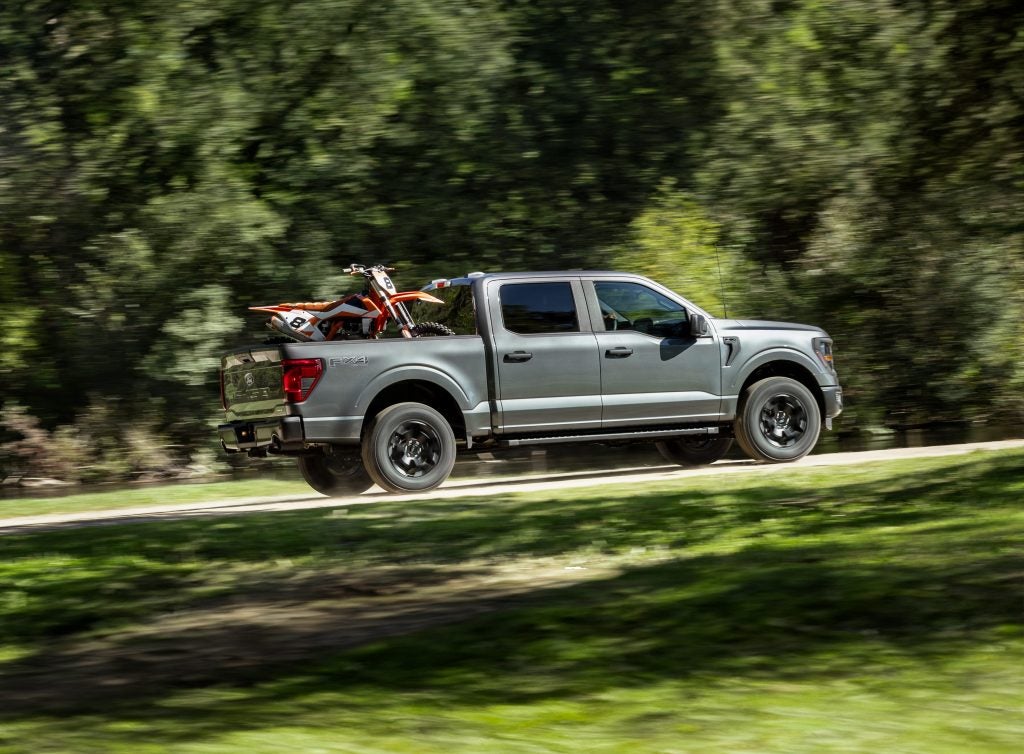
This content was aggregated from local dealer data and insights provided by the USA Today Network Automotive Insights team using Google Gemini and the Vehicles for Sale Near Detroit – Free Press Edition marketplace writing team. Choosing the right wheel and tire combination for your Ford F-150 is more than just a style decision; it significantly impacts your daily driving experience. At Atchinson Ford in Belleville, Michigan, near Detroit, we understand that drivers weigh appearance against practical considerations like ride comfort and fuel efficiency, especially with the unique road conditions found around Metro Detroit. This guide will help you understand the trade-offs involved in selecting wheel and tire configurations for your Ford F-150, ensuring your truck is perfectly suited for your needs, whether you're commuting on I-94 or navigating local Belleville roads. Understanding Wheel and Tire Dynamics for Ride Comfort The ride comfort of your Ford F-150 is heavily influenced by the interaction between wheel diameter and tire sidewall height. A common misconception is that larger wheels automatically lead to a rougher ride. While larger wheels often mean lower-profile tires with shorter sidewalls, it's the sidewall's ability to flex and absorb impacts that provides cushioning over potholes, expansion joints, and broken pavement—all too familiar sights in Michigan. For example, a 275/65R18 BSW A/T tire, like those found on certain configurations of the 2026 Ford F-150 XLT, offers a substantial sidewall that helps absorb road imperfections. A taller tire sidewall generally provides more cushioning, contributing to a smoother ride. Conversely, a lower-profile tire on a larger wheel may transmit more road texture into the cabin. However, modern suspension setups in the Ford F-150 are engineered to mitigate this, meaning wheel diameter alone does not solely determine ride quality. Wheel and Tire Choices and Fuel Efficiency The wheels and tires on your Ford F-150 play a role in its overall fuel economy. Factors such as wheel and tire weight, rolling resistance, and tire design can all influence efficiency. Heavier wheel and tire assemblies require more energy to get moving and stop, potentially impacting fuel consumption. Tires with lower rolling resistance are designed to reduce the energy lost to friction as they roll, contributing to better efficiency. While larger wheels can sometimes be heavier, and wider tires can increase rolling resistance, the specific design and materials used in both the wheels and tires are crucial. For instance, the efficient 2.7L V6 EcoBoost Engine in the 2026 Ford F-150 is designed to deliver a balance of power and efficiency, and selecting the right tire can help optimize this performance. When considering a new Ford F-150, understanding these dynamics can help you make an informed decision about your truck's long-term operating costs. Steering, Road Feel, and Appearance Trade-offs Different tire profiles can subtly change the steering response and how much road texture reaches the cabin of your Ford F-150. Tires with shorter, stiffer sidewalls often provide a more direct and responsive steering feel, allowing drivers to feel more connected to the road. This can be appealing for those who prioritize a sportier driving experience. On the other hand, tires with taller sidewalls might offer a slightly less immediate steering response but excel in isolating the cabin from road vibrations. Many shoppers are drawn to the visual impact of larger wheels, which can give the Ford F-150 a more aggressive or premium stance. However, it's important to balance this aesthetic preference with everyday usability, especially considering the varied pavement quality around areas like Canton, Ypsilanti, and Romulus. Tire replacement considerations also factor into this. Different tire sizes and types can influence availability and cost when it's time for new rubber, so it’s wise to consider this long-term aspect during your initial configuration choice. Navigating Michigan Roads: A Practical Guide For drivers in Belleville and the wider Metro Detroit area, wheel and tire selection for a Ford F-150 is particularly relevant. The region's roads are known for potholes, rough pavement, and seasonal changes that demand a capable vehicle. Commuters spending significant time on I-94 or I-275 may prioritize a comfortable highway ride and good all-season traction. Drivers navigating local Belleville-area roads or those who regularly travel on rougher surfaces might benefit from the added cushioning of a taller tire sidewall. Whether you're looking for a Ford F-150 for sale near Belleville, MI, or exploring the range of Ford F-150 near Detroit, considering how your truck will handle these conditions is key. The 4x4 drive type and available All-Terrain tires, like the 275/65R18 BSW A/T options, are well-suited for Michigan's diverse driving environment. Wheel-Size Decision Checklist for Your Ford F-150: What are your typical driving conditions? (Smooth highways, rough city streets, off-road trails?) How much emphasis do you place on ride comfort versus a sporty road feel? Is fuel efficiency a top priority for your daily commute? Do you prefer the visual impact of larger wheels, or do you prioritize maximum tire sidewall for cushioning? Are you prepared for potential differences in tire replacement costs for specific sizes? Will you be driving in challenging weather or on unpaved roads where all-terrain capabilities are essential? Why Buy From Atchinson Ford? At Atchinson Ford in Belleville, we are dedicated to helping you configure the perfect Ford F-150 for your lifestyle. Our knowledgeable team understands the nuances of each trim and option, including how different wheel and tire combinations can impact your driving experience. We provide transparent information and personalized guidance to ensure you make a confident decision, whether you're looking at a 2026 Ford F-150 or another model in our inventory. We're here to help you navigate the choices and find a truck that meets your specific needs for comfort, efficiency, and performance on Michigan roads. Frequently Asked Questions (FAQ) Do larger wheels make the Ford F-150 ride rougher? Not necessarily. While larger wheels often come with lower-profile tires that have less sidewall to absorb impacts, modern Ford F-150 suspension systems are designed to provide a comfortable ride across various wheel sizes. The overall tire construction, pressure, and suspension tuning play a significant role in ride quality, not just wheel diameter. Can wheel size affect Ford F-150 fuel economy? Yes, wheel size and tire choice can affect fuel economy. Heavier wheels and tires require more energy to accelerate and brake, and wider tires can increase rolling resistance. However, the impact varies based on specific designs, materials, and overall vehicle configuration. It's one factor among many that contribute to your truck's efficiency. Should I choose smaller or larger F-150 wheels for everyday driving? For everyday driving in areas like Belleville and Metro Detroit, the choice depends on your priorities. Smaller wheels often allow for tires with taller sidewalls, which can provide more cushioning over rough pavement and potholes, enhancing ride comfort. Larger wheels can offer a more responsive steering feel and a distinct aesthetic. Consider your typical driving conditions and personal preferences for comfort versus appearance and road feel. Visit Atchinson Ford Today Ready to explore the Ford F-150 and discuss your ideal wheel and tire configuration? Visit Atchinson Ford in Belleville, Michigan, or contact us to learn more about our available inventory and how we can help you find the perfect truck for your needs. Written for Atchinson Ford By the USA TODAY Network Automotive Insights Team, in collaboration with https://vehiclesforsaleneardetroit.com/ and the Vehicles for Sale Near Detroit – Free Press Edition. Disclaimer: This article's content is intended for informational purposes only. Vehicle specifications and features are based on data provided by J.D. Power and local dealerships and may vary by individual vehicle, VIN, trim, configuration, packages, and optional equipment. Vehicle images may not depict the exact model, trim, features, packages, accessories, or specifications described. Vehicle pricing, availability, features, and specifications are subject to change without notice. Please reference the dealership's vehicle listing and window sticker or consult the dealership directly for complete and accurate details.
What Makes the 2026 Ford F-150 Towing Experience Stand Out 

What Makes the 2026 Ford F-150 Towing Experience Stand Out

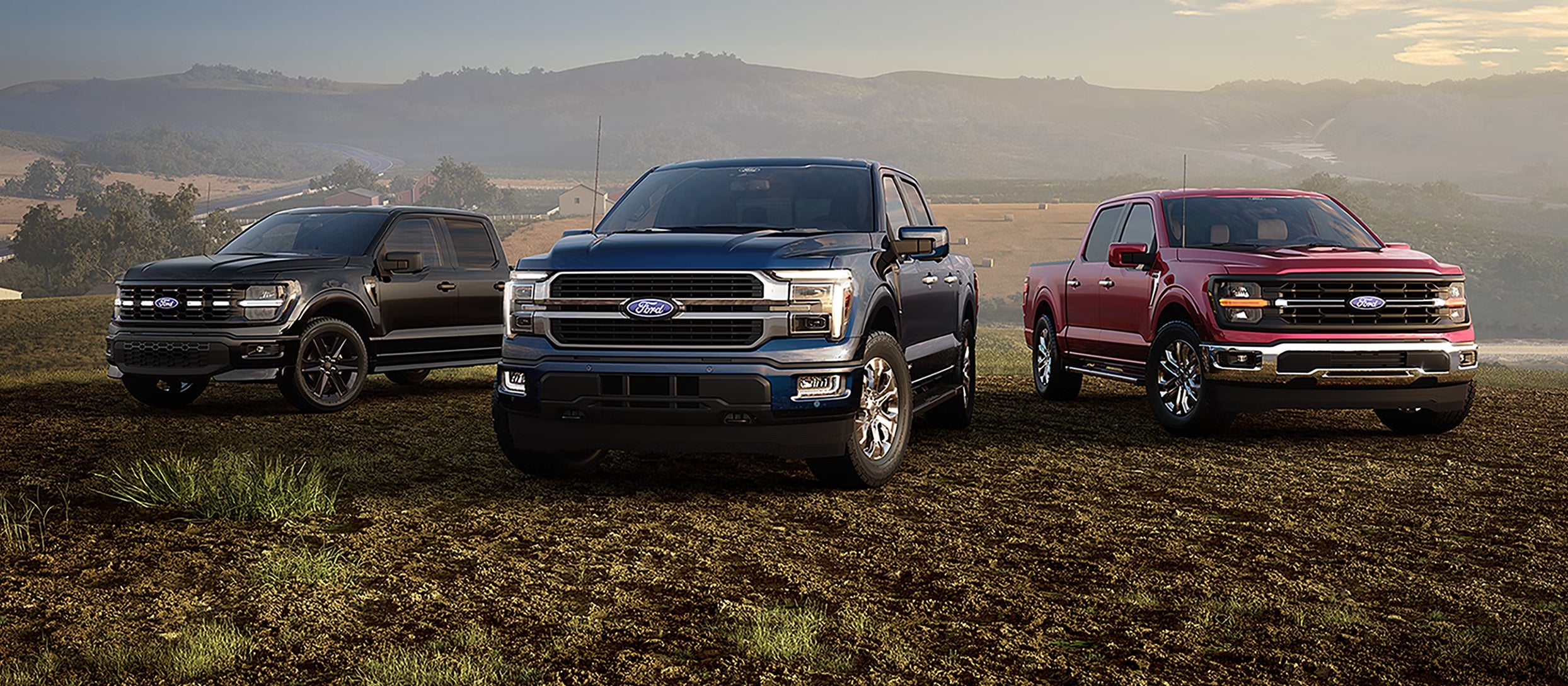
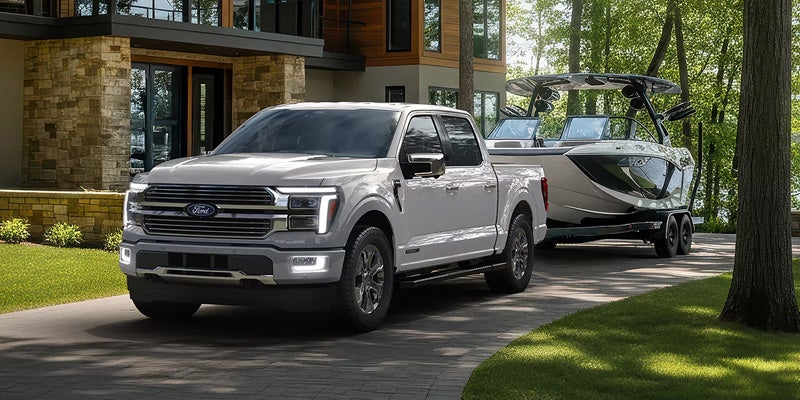
Customers at Atchinson Ford in Belleville, MI frequently find that F-150 towing capability is one of the first metrics they evaluate when selecting a vehicle for hauling applications. The 2026 Ford F-150 features standard technology and structural components designed for transporting trailers. Buyers pulling a boat, camper, or utility trailer will find that this truck is engineered for various towing tasks. Powertrain Options Built Around F-150 Towing Strength The 2026 Ford F-150 offers multiple engine options designed for the torque and hp required to move heavy loads. The available 3.5L PowerBoost© Full Hybrid V6 produces 430 hp and 570 lb-ft of torque, yielding a maximum towing capacity of 11,600 lbs. The 3.5L EcoBoost© V6 produces 400 hp and 500 lb-ft of torque, enabling a maximum towing capacity of 13,500 lbs. The 5.0L Ti-VCT V8 produces 400 hp and 410 lb-ft of torque, offering up to 12,800 lbs of towing capacity. The 2.7L EcoBoost© V6 produces 325 hp and 400 lb-ft of torque, with a towing capacity of 8,400 lbs. Smart Technology That Makes F-150 Towing Easier Towing involves power, control, and functional technology features. The available Pro Trailer Backup Assist© makes reversing with a trailer straightforward. The driver turns a dial to steer the trailer, and the truck handles the steering wheel inputs. The available Trailer Sway Control© detects and reduces trailer sway before it becomes a hazard. These driver-assist systems make F-150 towing accessible for experienced towers and new operators alike. Payload and Towing Capacity Numbers Worth Knowing The towing capacity rating is a primary metric for evaluating a truck. The 2026 F-150 provides varying towing capacities based on the configuration, engine choice, and towing packages. The available Max Trailer Tow Package© enables the highest towing capability. The vehicle also provides a maximum payload capacity of 2,440 lbs. Payload and towing are related but separate figures. Monitoring the bed weight alongside the towed weight ensures the vehicle stays within safe operating limits, and the onboard payload tools assist with this task. Comfort and Practicality for Long Hauls The 2026 F-150 cabin includes practical interior features for extended driving periods. The truck is equipped with a standard 12" touch screen display and available BlueCruise© hands-free highway driving technology. The available Ford Co-Pilot360© Technology provides safety systems that help drivers maintain awareness of their surroundings while towing large items. Why Drivers in Belleville, MI Trust the F-150 for Towing Drivers in Belleville, MI use trucks across varying road conditions. The 2026 F-150 performs consistently while hauling landscaping equipment in the summer or a snowmobile trailer in the winter. The truck features available 4-wheel drive, towing-focused technology, and durable construction materials. The Ford brand also earned recognition from J.D. Power© for new-vehicle quality in 2025. The 2026 F-150 Towing Experience The 2026 Ford F-150 provides towing performance, practicality, and modern technology. The vehicle offers 6 engine options, high towing capacities, and driver-assist features specifically for pulling trailers. Explore the 2026 F-150 lineup at Atchinson Ford in Belleville, MI.

Ford F-150 Maintenance Schedule for Michigan Winters: What Detroit Drivers Must Do to Protect Their Truck

This content was aggregated from local dealer and data and insights provided by the USA Today Network Automotive Insights team using Google Gemini and the Vehicles for Sale Near Detroit – Free Press Edition marketplace writing team. Michigan winters are beautiful, but they can be incredibly tough on your Ford F-150. From freezing temperatures and heavy snow to corrosive road salt and unavoidable potholes, your truck faces unique challenges. That's why a stricter maintenance routine is essential for any F-150 owner in the Detroit area and across Michigan. Proper Ford truck care in cold weather isn't just about keeping your truck running; it's about protecting your investment and ensuring your safety on icy roads. Why Michigan Winters Demand Extra Care for Your F-150 The harsh conditions of a Michigan winter put significant stress on every part of your F-150: Freezing Temperatures: Extreme cold affects battery performance, fluid viscosity, and tire pressure, making components work harder. Road Salt Corrosion: The salt and de-icing chemicals used on roads are highly corrosive, attacking your truck's undercarriage, brake lines, and electrical connections. Potholes: The freeze-thaw cycle creates numerous potholes, which can damage tires, wheels, suspension components, and steering. Heavy Commuting Conditions: Daily drives, especially in and around Detroit, often involve stop-and-go traffic in slush and snow, accelerating wear and tear. Following a dedicated F-150 winter schedule is crucial for longevity and reliability. Factory-Recommended Maintenance Intervals for Winter Readiness While your F-150 has a standard maintenance schedule, adapting it for winter is key. Here’s a breakdown of critical checks and services: Maintenance Item Winter Focus / Interval Why It Matters in Michigan Winter Oil & Filter Changes Every 5,000-7,500 miles or as per owner's manual. Consider synthetic oil for better cold-start protection. Cold temperatures thicken oil, making it harder for the engine to start and increasing wear. Fresh oil ensures proper lubrication. Tire Rotations & Winter Tires Rotate every 5,000-7,500 miles. Consider dedicated winter tires when temperatures consistently drop below 45°F. Properly rotated tires wear evenly. Winter tires offer superior grip on snow and ice, essential for safety and traction. Brake Inspections & Rotor Condition Inspect annually or every 10,000-15,000 miles. Check for wear, rust, and proper function. Road salt can accelerate rust on rotors and calipers. Reliable brakes are critical for stopping on slick surfaces. Battery Health Checks Test annually before winter. Clean terminals and ensure secure connections. Cold weather significantly reduces battery power. A weak battery can leave you stranded in freezing temperatures. Transmission, Coolant, Differential Service Follow manufacturer's schedule (e.g., coolant every 100,000 miles, transmission/differential as needed). Ensure coolant is rated for Michigan's extreme cold. Proper fluid levels and condition prevent freezing and ensure smooth operation of vital components under stress. 4x4 System and Driveline Inspection Inspect annually, especially before winter. Test 4x4 engagement. Ensure your 4x4 system is ready for snow and ice. Check for leaks or damage to the driveline from potholes. Wiper Blade & Washer Fluid Maintenance Replace wiper blades every 6-12 months. Use winter-specific washer fluid. Clear visibility is paramount in snow and slush. Winter fluid resists freezing and helps clear icy windshields. Cabin & Engine Air Filter Changes Replace as per manual (e.g., every 15,000-30,000 miles). A clean engine air filter ensures proper engine performance. A clean cabin filter keeps your air quality good, especially when windows are closed in winter. Michigan-Specific Winter Precautions for Your F-150 Beyond standard maintenance, these steps are crucial for Michigan winter truck maintenance: Undercarriage Rust Protection: Consider professional rustproofing treatments or regularly wash your truck, especially the underside, to remove road salt buildup. Salt Removal Routines: Wash your F-150 frequently during winter, focusing on the wheels, wheel wells, and chassis. Even a quick rinse can make a difference. Cold-Weather Fluid Choices: Ensure your engine coolant is a 50/50 mix of antifreeze and water, rated for temperatures well below 0°F. Use winter-grade washer fluid that won't freeze. Block Heater Usage: For extreme cold, a block heater can make starting easier, reduce engine wear, and get your heater working faster. Tailored Advice for Different Types of Michigan F-150 Owners Your F-150's winter needs can vary based on how you use it: Daily Detroit Commuters: Focus on tire pressure, fluid levels, and frequent washes to combat city salt. Ensure your battery is strong for reliable starts. Regular Detroit F-150 service checks can catch issues early. Snow-Belt Residents: Dedicated winter tires are highly recommended. Prioritize 4x4 system checks, battery health, and ensure all lights are working for visibility in whiteout conditions. Contractors and Heavy-Duty Users: Pay extra attention to brakes, transmission fluid, and differential fluid. Heavy loads in winter conditions put more strain on these components. Inspect suspension and steering for damage from potholes. Drivers Who Tow in Winter: Your braking system and transmission are critical. Ensure trailer brakes are working perfectly. Check tire condition and pressure on both the truck and trailer before every tow. Professional Service vs. DIY Prep: When to Seek Help Some winter prep can be done in your driveway, but certain tasks are best left to professionals: DIY Prep: Checking tire pressure, topping off washer fluid, cleaning battery terminals, routine washes, and visual inspections of belts and hoses. Professional Service: For tasks like comprehensive brake inspections, fluid flushes (transmission, coolant, differential), 4x4 system diagnostics, battery load testing, tire mounting and balancing (especially winter tires), and undercarriage rustproofing, it's wise to visit a trusted mechanic. For any significant Ford F-150 for sale or a new one, getting professional Detroit F-150 service before winter hits is a smart move. Protect Your Investment This Winter Whether you're looking for a new Ford F-150 for sale or maintaining your current one, proactive winter maintenance is non-negotiable in Michigan. By following these guidelines and getting regular Detroit F-150 service, you can ensure your truck remains reliable, safe, and ready to tackle whatever the Michigan winter throws its way. Don't wait for a problem to arise; get your F-150 winter-ready today! Written for Vehicles for Sale Near Detroit – Free Press Edition by the USA TODAY Network Automotive Insights team, in collaboration with https://vehiclesforsaleneardetroit.com/ and Atchinson Ford.

Michigan Truck Showdown: Ford F-150, Chevy Silverado, and Ram 1500 Compared

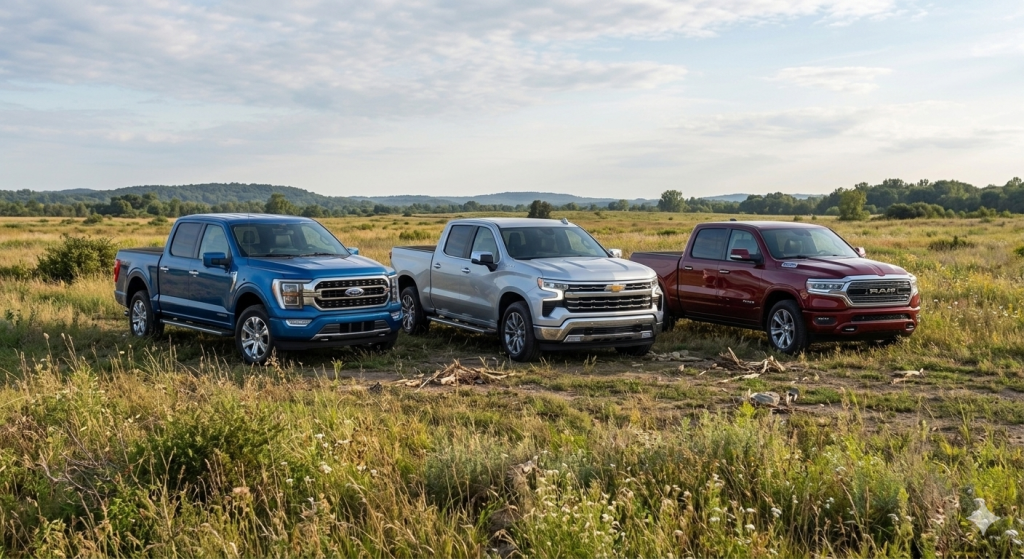
This content was aggregated from local dealer and data and insights provided by the USA Today Network Automotive Insights team using Google Gemini and the Vehicles for Sale Near Detroit – Free Press Edition marketplace writing team. For drivers in Michigan, a dependable pickup truck is more than just a vehicle; it's a partner for work, family, and play. With our changing seasons and diverse needs, choosing the right truck is a big decision. Three trucks stand out as top contenders: the Ford F-150, the Chevrolet Silverado 1500, and the Ram 1500. Each offers unique strengths, and understanding these can help you pick the best fit for your life. Winter Driving Confidence Michigan winters can be tough, making a truck's ability to handle snow and ice crucial. All three trucks offer powerful engines and available four-wheel drive (4x4) systems, which are essential for staying safe on slick roads. The Ford F-150, a popular choice like the 2025 ford f150 for sale, is known for its strong build and reliable traction in snowy conditions. Its advanced traction control systems help keep you steady. The Chevy Silverado 1500 also provides solid performance in winter, with available automatic 4x4 modes that can switch between two-wheel and four-wheel drive as needed. This can be helpful when road conditions change quickly. The Ram 1500, with its available air suspension, can sometimes offer a smoother ride even on bumpy, frozen roads, and its 4x4 system is equally capable of tackling winter challenges. Daily Usability Beyond tough tasks, a truck needs to be easy to live with every day. This includes things like parking, getting groceries, or dropping off kids. The Ford F-150 offers a range of cab and bed configurations, making it adaptable for different daily needs. Its interior is designed to be practical, with useful storage spots. The Chevy Silverado 1500 features a spacious cabin and often includes smart storage solutions. Its bed design, with available multi-flex tailgates, can make loading and unloading easier for everyday chores. The Ram 1500 stands out with its refined interior, often feeling more like a luxury SUV than a work truck, which can make daily commutes more comfortable. It also offers unique storage options like the RamBox cargo management system, built into the bed sides, which is handy for tools or groceries. Ride Comfort Long drives or bumpy Michigan roads call for a comfortable ride. The Ram 1500 is often praised for having one of the smoothest rides in its class, thanks to its advanced rear suspension. This can make a big difference on longer trips or when driving on less-than-perfect pavement. The Ford F-150 and Chevy Silverado 1500 also offer comfortable rides, especially in their higher trim levels. While they might feel a bit firmer than the Ram, they still handle road imperfections well. Each truck works to keep the cabin quiet, reducing road and wind noise, which adds to overall comfort. Ownership Expectations When you own a truck, you think about its reliability, maintenance, and how well it holds its value. The Ford F-150 has a long history of being a reliable workhorse, and parts are generally easy to find. Many drivers look for a ford f 150 for sale because of its proven track record. The Chevy Silverado 1500 also has a strong reputation for durability and offers a wide network of service centers. The Ram 1500 has improved its reliability ratings over the years and is known for its strong engines and comfortable interiors that stand up to daily use. All three trucks offer various engine options, from fuel-efficient V6s to powerful V8s, allowing owners to choose based on their specific towing and hauling needs, which also impacts fuel costs over time. Lifestyle Fit Ultimately, the best truck for you depends on your lifestyle. If you're frequently towing a boat to the lake or hauling heavy loads for work, the strong towing and payload capacities of the ford f-150 or Chevy Silverado might be ideal. The f 150 ford, for example, is a go-to for many who need serious capability. If you value a refined interior, a smooth ride for family trips, and smart storage for recreational gear like fishing rods or camping supplies, the Ram 1500 could be a perfect match. For those who need a versatile truck that balances work, family, and weekend adventures with ease, all three offer strong options. The availability of different body styles and engine choices means there's likely a configuration that fits your specific needs, whether you're looking for a dedicated work truck or a comfortable daily driver. Choosing Your Truck There's no single "best" truck among the Ford F-150, Chevy Silverado 1500, and Ram 1500. Each offers a compelling package for Michigan drivers. Your choice will come down to what matters most to you: maximum towing power, the smoothest ride, interior luxury, or specific features for your daily tasks and hobbies. We encourage you to consider what you need most from your next truck. Find Your Next Truck at Atchinson Ford Ready to see these impressive trucks up close? Visit Atchinson Ford in Belleville to explore our selection of new and pre-owned trucks, including the versatile Ford F-150. Our team can help you compare features, understand options, and find the perfect truck to fit your Michigan lifestyle. Stop by or call us today to learn more about the 2025 ford f150 for sale and other great truck options. Written for Atchinson Ford By the USA TODAY Network Automotive Insights Team, in collaboration with https://vehiclesforsaleneardetroit.com/ and the Vehicles for Sale Near Detroit – Free Press Edition.

Contact Us

Fill out this form below and we'll contact you shortly
*Required Fields